Fungal Infection
Root-Cause, Non-Steroid Healing at Sparsh Garbh Sanskar & Ayurved Center
Fungal infections recur when internal moisture, toxins, weak digestion, and low immunity remain untreated.
At Sparsh Garbh Sanskar & Ayurved Center, Nagpur, fungal infections are treated through classical Ayurvedic detoxification, gut correction, immune restoration, and recurrence prevention without steroid dependence.
Understanding Fungal Infection from an Ayurvedic Perspective
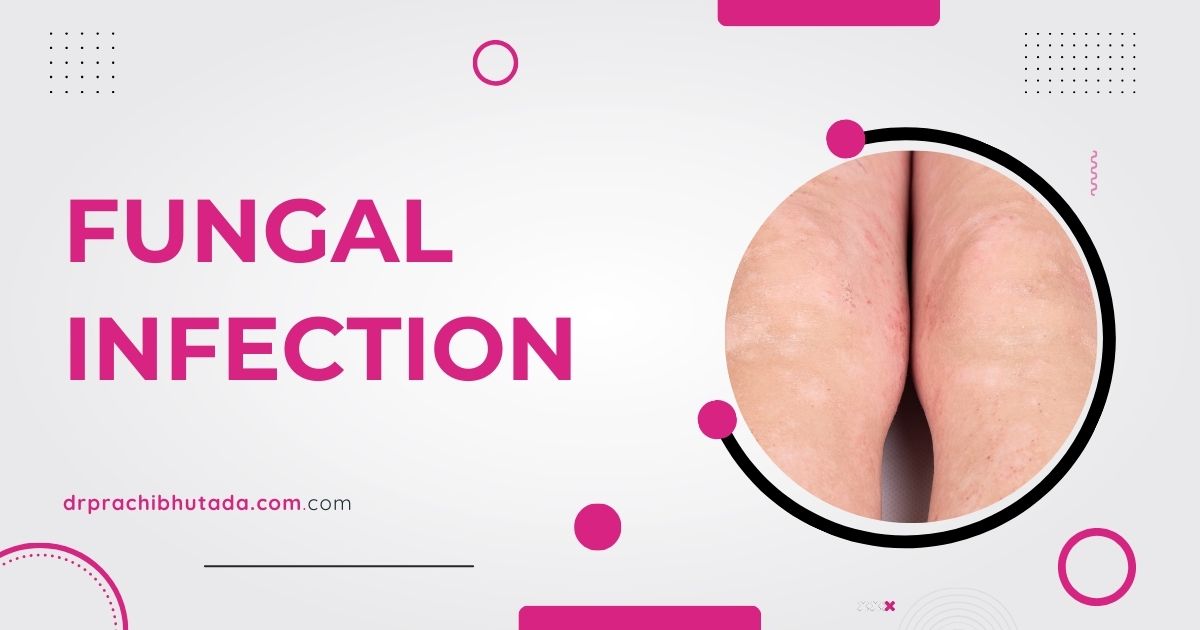
In Ayurveda, fungal infections are not considered a superficial skin problem. They are understood as manifestations of Krimi, Kleda, Ama, and Rakta–Pitta–Kapha imbalances, in which excess internal moisture and toxins create an environment conducive to fungal growth.
Modern medicine suppresses fungus externally.
Ayurveda corrects the internal terrain, thereby preventing the fungus from surviving or returning.
Types of Fungal Infections Treated at Sparsh, Nagpur
Fungal infections may differ in appearance, location, and severity, but their internal root remains similar.
After evaluation, Sparsh commonly treats conditions listed below.
- Ringworm (Tinea corporis)
- Groin fungal infection (Tinea cruris / jock itch)
- Athlete’s foot (Tinea pedis)
- Recurrent candidal skin infections
- Fungal infection in skin folds
- Chronic itching, redness, scaling, and burning
- Steroid-modified or repeatedly relapsing fungal infections
Each case is treated individually based on constitution and chronicity.
Why Fungal Infections Become Chronic or Recurrent
Before treatment, it is essential to understand recurrence. Most patients experience repeated fungal infections because the root causes are ignored.
Common internal triggers include those listed below.
- Weak digestive fire (Mandagni)
- Excess internal moisture (Kleda)
- Gut–skin axis imbalance
- Improper food combinations
- Excess sweating with blocked skin channels
- Long-term steroid cream usage
- Stress-induced immunity suppression
Without correcting these factors, external antifungal treatment offers only temporary relief.
Ayurvedic Diagnosis at Sparsh Garbh Sanskar & Ayurved Center
Each case of fungal infection undergoes a detailed Ayurvedic assessment before treatment begins.
The evaluation includes:
- Prakriti (body constitution)
- Dosha dominance (Pitta–Kapha focus)
- Digestive strength and toxin load
- Sweat pattern and skin texture
- Recurrence history and steroid exposure
- Diet, lifestyle, sleep, and stress analysis
Based on this, a Prakriti-based personalised treatment plan is designed.
Ayurvedic Treatment for Fungal Infection
(Root-Cause Based, Non-Steroidal)
Treatment at Sparsh follows classical Ayurvedic logic and progresses in phases.
Internal Detox and Dosha Correction
The first phase corrects the internal environment responsible for fungal growth.
- Deepan–Pachan to strengthen digestion
- Ama pachana to reduce toxin circulation
- Pitta–Kapha balancing medicines
- Liver and blood purification support
- Immunity stabilisation
This phase is crucial for long-term control.
Panchakarma Support for Chronic or Recurrent Cases
In long-standing or repeatedly relapsing fungal infections, detox therapies are advised selectively.
Depending on assessment, therapies may include:
- Virechan for Pitta and Rakta shuddhi
- Raktamokshan in indicated cases
- Takradhara or supportive calming therapies when stress is a trigger
Panchakarma significantly reduces recurrence when done correctly.
Internal Ayurvedic Medicines
Internal medicines address immunity, blood purity, digestion, and skin nourishment.
Commonly prescribed herbs and formulations include:
- Neem, Patol, Khadir for Rakta shuddhi
- Manjishta for blood detox
- Guduchi for immunity modulation
- Triphala for gut correction
- Gandhak-based formulations when required
Medicines are never generic and are adjusted as healing progresses.
External Ayurvedic Applications
External care supports healing but is not the primary treatment.
- Herbal lepas and oils for itching and redness
- Natural antifungal preparations
- Skin barrier repair guidance
- Gradual withdrawal from steroid creams under supervision
Diet and Lifestyle Guidance for Fungal Infection Control
Diet and daily routine play a decisive role in fungal recovery and prevention.
Foods to Avoid
These foods increase internal moisture, toxins, and fungal tendency.
- Sugar and refined carbohydrates
- Bakery and processed foods
- Fermented foods
- Curd at night
- Milk with salty or sour foods
- Excess spicy, oily, or fried meals
Foods That Support Healing
These help restore digestion, immunity, and skin balance.
- Warm, freshly cooked meals
- Moong dal and light khichdi
- Bitter vegetables
- Cow ghee in moderation
- Warm water hydration
- Simple, seasonal diet
Expected Results with Ayurvedic Treatment
With proper compliance and follow-up, patients commonly experience:
- Significant reduction in itching and burning
- Gradual clearing of redness and scaling
- Improved skin texture
- Better digestion and reduced sweating
- Reduced dependence on creams
- Long-term recurrence control
Chronic cases require patience, but results are stable and sustainable.
Why Choose Sparsh for Fungal Infection Treatment in Nagpur
Fungal infections demand precision, experience, and classical understanding.
Patients choose Sparsh because of:
- Over 20 years of Ayurvedic centeral expertise
- Root-cause correction, not symptom suppression
- Prakriti-based personalised protocols
- Panchakarma-supported detox when required
- Gentle, non-steroidal approach
- Strong focus on long-term prevention
All treatments are guided by Dr. Prachi Bhutada, known for her depth in Ayurvedic skin disorders and holistic healing.
Who Should Seek Ayurvedic Treatment for Fungal Infection
This approach is especially suitable for:
- Recurrent or chronic fungal infections
- Steroid-modified fungal cases
- Patients tired of temporary relief
- Sensitive skin or low immunity individuals
- Those seeking long-term, natural healing
Fungal Infection Treatment in Nagpur – Consultation Details
Sparsh Garbh Sanskar & Ayurved Center offers both in-center and guided care for patients in Nagpur and nearby regions.
- Early intervention prevents chronicity.
- Root-cause treatment prevents recurrence.
- Ayurveda restores balance naturally.
FAQs
Is Ayurvedic treatment effective for recurrent fungal infection?
Yes. Ayurveda addresses internal causes, such as weak digestion, toxins, and immune imbalances, that are responsible for recurrence.
How long does Ayurvedic treatment take for a fungal infection?
Mild cases may improve in a few weeks, while chronic or steroid-modified cases require longer, structured treatment.
Can steroid creams be stopped during Ayurvedic treatment?
Yes, but withdrawal is done gradually under guidance to avoid rebound flare-ups.